buy a subscription to arcadja and discover all the advantages
Artists
Auctions
Auction houses
ENG
FRA
DEU
ESP
ITA
POR
RUS
Search Artist
Most requested artists
Artists with more lots
List of artists
Tracked artists
Artworks by monitored artists
Artist bookmarks
Calendar
Auction bookmarks
Upcoming auctions
Lot bookmarks
Geographic research
Auction houses list
Monitored auction houses
Auction house bookmarks
Subscriptions
Enrollment
Contacts
What do we do
Frequently asked question
Auction sponsorship
Terms and Conditions
Privacy policy
Information on cookies
It is necessary to accept cookies to receive all Arcadja services.
Information on cookies
I accept
Artist data
Artist code
14260
Name
IMMENDORFF Jorg
Nationality
de
Lots cataloged
1667
Artist profile
Artworks for sale
Lots sorting reserved for subscribers
Arcadja is updated daily!
By subscribing you will have full access to 20 years of Auctions archived by Arcadja, with:
prices and information of any Artist without limits;
automatic alerts for Artists in Auction;
view of all forthcoming Auctions;
report on Artists of interest;
many additional functions exclusives.
With the available information:
you will be able to approximate the sale and purchase price;
searching, among the many, for the most suitable auction house to sell;
following the market for collections or investments;
doing in-depth studies and checks.
Subscriptions
IMMENDORFF Jorg
Painter, Sculptor
Germany, Bleckede/Elbe 1945, Düsseldorf 2007
Artist's Artworks passed in Auctions
Up to now 2024-04-19, based on the attribution to the author set in the filter (Original, Authenticated), Arcadja has cataloged 1660 works for artist IMMENDORFF Jorg. The first pass in the listed auction is 1998-06-04, while the last is 2024-04-23. The auction houses that have treated this artist in the last 6 years are 49 with a volume of 383 lots, while in the last 3 years the houses have been 39 with 216 lots. For more statistics and information visit the IMMENDORFF Jorg ARTIST PROFILE, or change the attribution to the author in the FILTER. You can still purchase works from IMMENDORFF Jorg! Visit the WORKS FOR SALE section now.
Filter lots
Turn on alerts
full functionality reserved for registered users
Exclude lots that have no award
Exclude works without image
Attribution
All those available
Original, Authenticated
Original, Authenticated, Attributed
Original, Attributed
Circle, Follower
Original
Attributed
Circle
Workshop
Follower
Successor
Authenticated
Arcadja remembers the preferences of logged in users
Lots per page 1
Lots per page 2
Lots per page 3
Lots per page 4
Lots per page 5
Lots per page 10
page 1
page 2
page 3
page 4
page 5
page 6
page 7
page 8
page 9
page 10
page 11
page 12
page 13
page 14
page 15
page 16
page 17
page 18
page 19
page 20
page 21
page 22
page 23
page 24
page 25
page 26
page 27
page 28
page 29
page 30
page 31
page 32
page 33
page 34
page 35
page 36
page 37
page 38
page 39
page 40
page 41
page 42
page 43
page 44
page 45
page 46
page 47
page 48
page 49
page 50
page 51
page 52
page 53
page 54
page 55
page 56
page 57
page 58
page 59
page 60
page 61
page 62
page 63
page 64
page 65
page 66
page 67
page 68
page 69
page 70
page 71
page 72
page 73
page 74
page 75
page 76
page 77
page 78
page 79
page 80
page 81
page 82
page 83
page 84
page 85
page 86
page 87
page 88
page 89
page 90
page 91
page 92
page 93
page 94
page 95
page 96
page 97
page 98
page 99
page 100
page 101
page 102
page 103
page 104
page 105
page 106
page 107
page 108
page 109
page 110
page 111
page 112
page 113
page 114
page 115
page 116
page 117
page 118
page 119
page 120
page 121
page 122
page 123
page 124
page 125
page 126
page 127
page 128
page 129
page 130
page 131
page 132
page 133
page 134
page 135
page 136
page 137
page 138
page 139
page 140
page 141
page 142
page 143
page 144
page 145
page 146
page 147
page 148
page 149
page 150
page 151
page 152
page 153
page 154
page 155
page 156
page 157
page 158
page 159
page 160
page 161
page 162
page 163
page 164
page 165
page 166
page 167
page 168
page 169
page 170
page 171
page 172
page 173
page 174
page 175
page 176
page 177
page 178
page 179
page 180
page 181
page 182
page 183
page 184
page 185
page 186
page 187
page 188
page 189
page 190
page 191
page 192
page 193
page 194
page 195
page 196
page 197
page 198
page 199
page 200
page 201
page 202
page 203
page 204
page 205
page 206
page 207
page 208
page 209
page 210
page 211
page 212
page 213
page 214
page 215
page 216
page 217
page 218
page 219
page 220
page 221
page 222
page 223
page 224
page 225
page 226
page 227
page 228
page 229
page 230
page 231
page 232
page 233
page 234
page 235
page 236
page 237
page 238
page 239
page 240
page 241
page 242
page 243
page 244
page 245
page 246
page 247
page 248
page 249
page 250
page 251
page 252
page 253
page 254
page 255
page 256
page 257
page 258
page 259
page 260
page 261
page 262
page 263
page 264
page 265
page 266
page 267
page 268
page 269
page 270
page 271
page 272
page 273
page 274
page 275
page 276
page 277
page 278
page 279
page 280
page 281
page 282
page 283
page 284
page 285
page 286
page 287
page 288
page 289
page 290
page 291
page 292
page 293
page 294
page 295
page 296
page 297
page 298
page 299
page 300
page 301
page 302
page 303
page 304
page 305
page 306
page 307
page 308
page 309
page 310
page 311
page 312
page 313
page 314
page 315
page 316
page 317
page 318
page 319
page 320
page 321
page 322
page 323
page 324
page 325
page 326
page 327
page 328
page 329
page 330
page 331
page 332
Totals 1.660, pages 1 to 332, current page 1
Press the pictures for details
IMMENDORFF Jorg
1945 - 2007
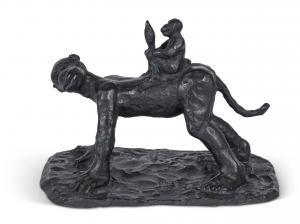
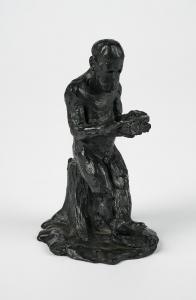
Malerstamm (Georg und Otto)
Lot number
26
auction catalog reserved for subscribers
Attribution
Original (Signed artwork)
Technique
Bronze, Black Patina
Estimates
Register and subscribe to see
Artwork date
Register and subscribe to see
Dimensions (H x W x D)
Register and subscribe to see
Auction data
Register and subscribe to see
Short description
JÖRG IMMENDORFF (1945 - 2007) Malerstamm (Georg und Otto) stamped with (...)
IMMENDORFF Jorg
1945 - 2007
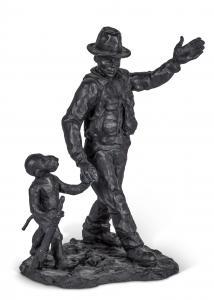
Komm Jörch, wir gehen
Lot number
19
auction catalog reserved for subscribers
Attribution
Original (Signed artwork)
Technique
Bronze, Black Patina
Estimates
Register and subscribe to see
Artwork date
Register and subscribe to see
Dimensions (H x W x D)
Register and subscribe to see
Auction data
Register and subscribe to see
Short description
JÖRG IMMENDORFF (1945-2007) Komm Jörch, wir gehen stamped with artist's (...)
IMMENDORFF Jorg
1945 - 2007
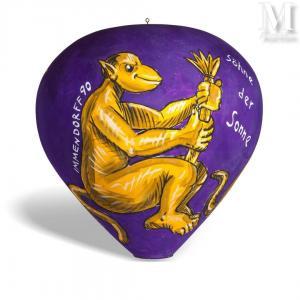
Söhne der Sonne
Lot number
128
auction catalog reserved for subscribers
Attribution
Original (Signed artwork)
Technique
Fiberglass
Estimates
Register and subscribe to see
Artwork date
Register and subscribe to see
Dimensions (H x W x D)
Register and subscribe to see
Auction data
Register and subscribe to see
Short description
Jörg IMMENDORFF (1945-2007) Söhne der Sonne, 1990 Acrylique sur résine (...)
IMMENDORFF Jorg
1945 - 2007
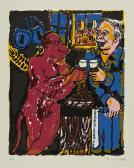
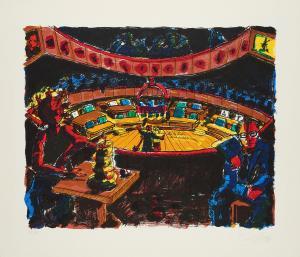
Parlament
Lot number
96
auction catalog reserved for subscribers
Attribution
Original (Signed artwork)
Technique
Lithograph
Estimates
Register and subscribe to see
Auction base
Register and subscribe to see
Artwork date
Register and subscribe to see
Dimensions (H x W)
Register and subscribe to see
Auction data
Register and subscribe to see
Short description
IMMENDORFF, JÖRG 1945 Bleckede/Elbe - 2007 Duesseldorf Title: Parlament. Date: (...)
IMMENDORFF Jorg
1945 - 2007
Affe sitzend mit Buch
Lot number
12
auction catalog reserved for subscribers
Attribution
Original (Signed artwork)
Technique
Bronze
Estimates
Register and subscribe to see
Dimensions (H x W x D)
Register and subscribe to see
Auction data
Register and subscribe to see
Short description
IMMENDORFF, JÖRG 1945 Bleckede/Elbe - 2007 Duesseldorf Title: Affe sitzend mit (...)